P/N RD0015H1600JBC: Aircraft Lighting Rheostat Replacement
P/N RD0015H1600JBC: Aircraft Lighting Rheostat Replacement
Blog Article
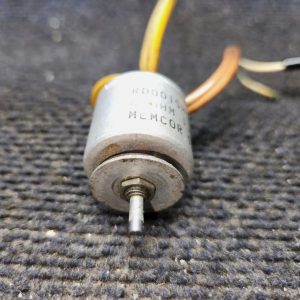
P/N RD0015H1600JBC may support scheduled electrical maintenance, panel-light troubleshooting, classic-aircraft restoration, or completion of a compatible cockpit project.
The Cessna 172F Rheostat can support cockpit illumination adjustment, while Cessna 172F Lighting Rheostat and Cessna 172F Panel Light Rheostat descriptions should not imply compatibility with every Cessna panel configuration.
These related terms help maintenance professionals and restorers locate a suitable lighting-control component for a classic Cessna cockpit.
An Aircraft Lighting Rheostat may also serve as an Aircraft Panel Light Dimmer when its resistance, power rating, terminals, and control range match the intended installation.
A Cessna 172F Dimmer Switch may be described as part of the Cessna Panel Lighting Control system, although the exact internal operation should be confirmed.
Identifying the Cessna 172F Rheostat
Every letter, number, and suffix should be recorded because similar rheostats may differ in resistance, wattage, shaft style, terminal arrangement, dimensions, and operating characteristics.
The buyer should determine whether the rheostat is original, used, new-old-stock, repaired, refurbished, tested, untested, or removed from an aircraft.
Buying a Cessna Rheostat Without a Knob
Accurate knob information helps prevent incomplete installations and loose cockpit controls.
Professional selection supports both cockpit appearance and dependable lighting adjustment.
Instrument Lighting Control Operation
Rotating the control changes the electrical resistance or control setting, allowing the pilot to select an appropriate lighting level.
Lighting problems can also result from lamps, wiring, grounds, connectors, circuit protection, or damaged panel components.
Avoiding Incorrect Dimmer Substitution
Production changes, previous panel modifications, lighting upgrades, replacement wiring, and modern avionics installations can affect the required control.
Qualified maintenance personnel should determine the acceptable installation configuration.
Checking Mounting Threads and Control Movement
The shaft should rotate smoothly through its intended travel without excessive looseness, binding, roughness, or unexpected movement.
The body should not rotate after installation because movement can strain wiring and alter control positioning.
Aircraft Rheostat Wiring Inspection
Attached wires should be checked for brittle insulation, damaged conductors, incorrect splices, unsupported weight, and missing identification.
Damaged terminals should not be bent repeatedly in an attempt to restore alignment.
Testing the Cessna 172F Lighting Rheostat
The resistance Cessna Aircraft Rheostat should change in a predictable manner through the control range without abrupt open circuits, severe jumps, or inconsistent contact.
Applying unconfirmed voltage or excessive load can overheat or permanently damage the rheostat.
Avoiding Unnecessary Rheostat Replacement
The complete lighting system should be inspected before the rheostat is identified as the only failed component.
Intermittent faults can appear only during vibration, temperature change, or movement of the control.
Cessna Panel Lighting Restoration
Careful restoration can preserve cockpit character while improving maintenance organization.
The missing knob may be sourced separately, reproduced appropriately, or reused from the removed control when its fit and condition remain suitable.
Supporting Components Around the Rheostat
A missing knob or damaged connector can delay installation even when P/N RD0015H1600JBC is available.
Donor-aircraft history may provide context but does not establish present serviceability.
Repairing or Replacing a Cessna Rheostat
The decision to repair or replace a rheostat depends on internal wear, heat damage, shaft condition, terminal integrity, corrosion, electrical performance, parts availability, and suitable repair information.
Unauthorized parts substitution or rewinding can change resistance and power-handling capability.
Evaluating a Used Aircraft Lighting Control
Untested or incomplete rheostats may still have restoration, repair-candidate, pattern, training, or reference value when described honestly.
The seller should disclose the missing knob, damaged threads, bent shaft, corrosion, burned terminals, heat discoloration, intermittent operation, repairs, and storage conditions.
Panel Light Dimmer Condition Checklist
Any uncertainty regarding specifications, circuit function, knob compatibility, or aircraft fitment should be resolved before shipment.
- Resolve identity, electrical compatibility, fitment, and package-completeness questions before payment.
- Do not treat smooth rotation, clean appearance, or donor-aircraft history as proof of electrical serviceability.
- Require packaging that protects the shaft, mounting threads, terminals, identification markings, attached wiring, and housing from bending, impact, moisture, or abrasion.
Preventing Electrical Component Damage
A rigid container with suitable padding can prevent the component from moving or contacting loose hardware.
During storage, the rheostat should remain clean, dry, labeled, and protected from moisture, chemicals, static-sensitive equipment, heavy objects, and uncontrolled handling.
Wiring a Cessna Cockpit Dimmer
The replacement rheostat should be compared with the original component for ratings, terminal arrangement, mounting dimensions, shaft style, and circuit function.
The knob should attach securely without restricting the rheostat’s full control range.
After installation, technicians should verify control movement, lighting response, dimming range, terminal security, circuit protection, wiring temperature, and absence of flickering or dead spots.
Maintaining the Cessna 172F Lighting Control
Consistent inspection supports dependable cockpit lighting control.
Cleaning products should not enter the rheostat housing or electrical connections.
P/N RD0015H1600JBC
For the correct Cessna 172F electrical configuration, the rheostat can support adjustable instrument-panel lighting when installed with a compatible knob and surrounding components.
Careful technical and commercial evaluation can reduce wiring errors, incompatible dimming behavior, missing-knob costs, installation delays, overheating, and unexpected electrical faults.
Whether the requirement is a Cessna 172F Rheostat, Cessna 172F Lighting Rheostat, Cessna 172F Panel Light Rheostat, or Cessna 172F Cockpit Dimmer, exact identification should guide the purchase.
With responsible purchasing, part-number research, controlled testing, secure mounting, and preventive electrical maintenance, the rheostat can remain a valuable cockpit asset.
Report this page